Enhancing Urban Landscapes: The Role of Concrete in City Living Mar 18, 2026
Concrete's versatility is one of its greatest strengths. From roads to sidewalks, skyscrapers to public plazas, concrete is the backbone of urban infrastructure. Its adaptability allows architects and urban planners to create innovative designs that cater to the diverse needs of city dwellers. Whether it's providing sturdy foundations for high-rise buildings or creating sculptural forms in public art spaces, concrete's potential is vast.
In addition to its versatility, concrete offers durability that is essential for urban environments. Cities are subject to heavy usage and constant wear and tear, making the longevity of construction materials crucial. Concrete can withstand extreme weather conditions and heavy pedestrian and vehicular traffic, reducing the need for frequent repairs and maintenance. This resilience not only minimizes disruption to city life but also results in cost savings over time.
Sustainability is another critical aspect where concrete contributes significantly to urban landscapes. Innovations in concrete technology have led to the development of eco-friendly options, such as recycled and permeable concrete. These sustainable alternatives help reduce the carbon footprint of construction projects and support urban ecosystems by allowing rainwater to infiltrate the ground, reducing runoff and mitigating urban heat island effects.
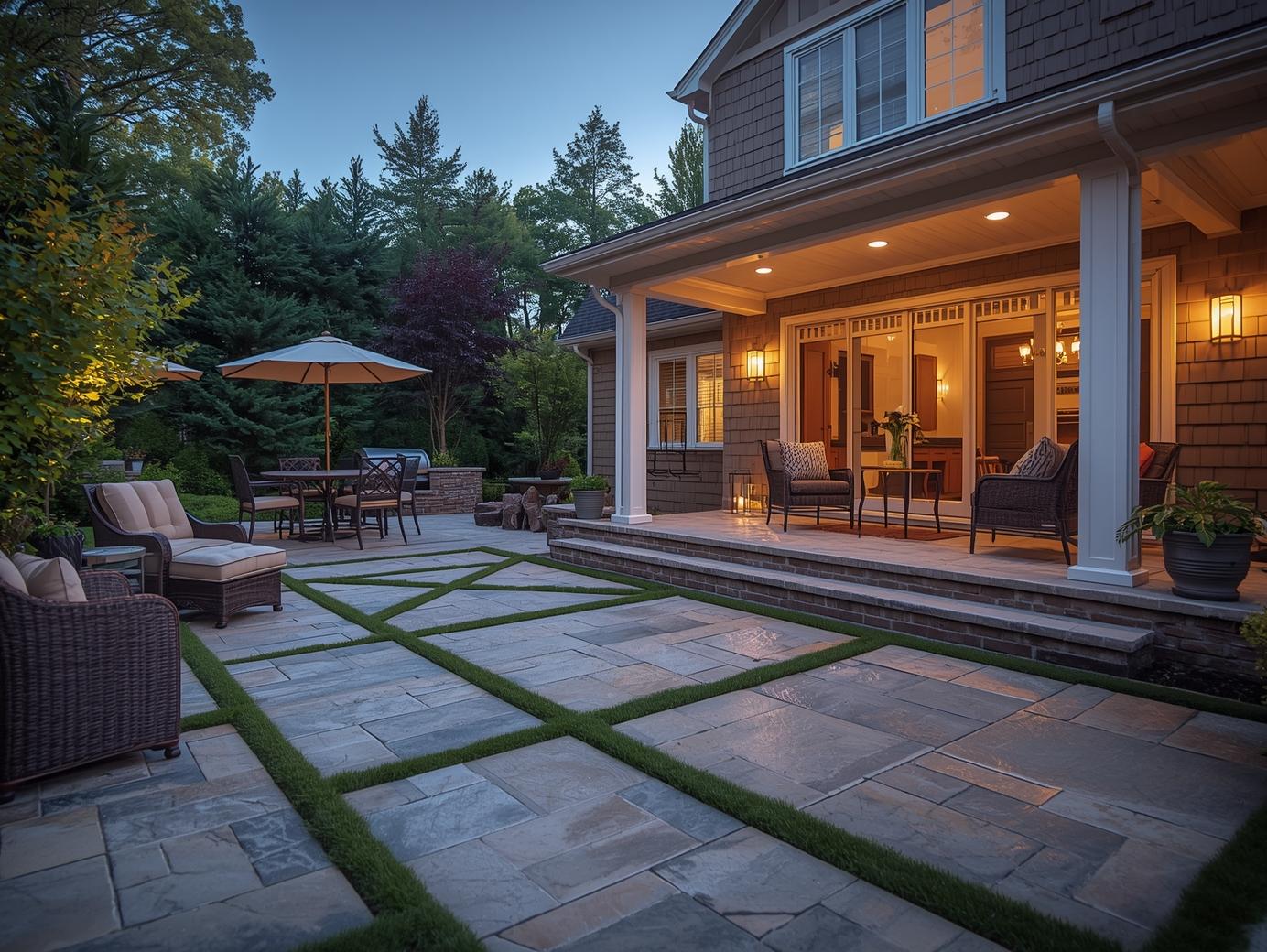
One cannot overlook the aesthetic value that concrete adds to cityscapes. Gone are the days when concrete was associated solely with gray, monolithic structures. Today, it can be colored, textured, and molded into various shapes and sizes, providing endless possibilities for creative expression. From stylish park benches to intricate flooring patterns, decorative concrete enhances the visual appeal of urban areas, fostering a sense of community pride and wellbeing.
Another critical role of concrete in urban living is its contribution to safety and accessibility. Properly constructed concrete sidewalks, crosswalks, and ramps make cities more navigable for people of all abilities. Additionally, concrete's non-slip surfaces ensure safer passage for pedestrians, particularly in wet conditions. Whether it’s ensuring that streets are safe for commuting or that public parks are inclusive for everyone, concrete stands as the silent hero behind seamless city living.
The economic impact of concrete cannot be understated. Urban development projects driven by concrete construction create jobs, boost local economies, and contribute to urban revitalization. Companies like Abros Concrete bring expertise and innovation into these projects, ensuring that structures are safe, sustainable, and built to last.
In conclusion, as cities grow and develop, the role of concrete in urban landscapes is invaluable. Its adaptability, durability, sustainability, aesthetic potential, and economic benefits make it a cornerstone of modern urban living. Abros Concrete continues to play a crucial part in this ongoing transformation, helping to sculpt cities that are not only functional but also vibrant and sustainable. As urban areas evolve, the relationship between concrete and city living will continue to innovate and inspire, supporting the development of spaces where communities can thrive.
/filters:no_upscale()/filters:format(webp)/media/0a3d75bd-bae5-4024-bc4a-8276eb8f019b.jpeg)